Our Land Flows…from Peat to Pipe

Dartmoor’s peatland landscape. Credit Art and Energy, Peat-Fest South-West
When you turn on your tap, think ‘Peat’!
While it is hot and dry, do you wonder where your drinking water comes from? If it is pouring with rain, do you worry about flooding? When did you last ponder the power in water?
Our wet peatlands in moor and fen are crucially acting as a filter to clean our drinking water, they are a sponge slowing the flow of water to reduce risk of flooding, and they support a rich collection of plants and animals that keep the habitat healthy.
Our Land Flows, from Peat to Pipe, will share and celebrate the role of water in nature for both urban, rural and farming communities, speaking to its impact on health, habitats, and cultural heritage.
This summer and autumn, with the support of a Farming in Protected Landscapes (FiPL) grant from Dartmoor National Park, we will explore our reliance on Dartmoor's varied landscape and habitats, from peat bogs and mires to the deep river valleys that flow with water in the natural and human formed infrastructure.
Dartmoor Preservation Association has also given a grant towards this project for encouraging more people to help conserve this landscape heritage.
Our Land Flows will also be focusing on the history and heritage of the leats that were constructed hundreds of years ago to transport water to for the people of Plymouth and power the working mills.
“The drinking water for almost all of the towns and communities below Dartmoor starts up on the high moorland, in the headwaters of its many rivers. Dartmoor farmers and land managers work hard to support these habitats to flourish so they can continue to store and collect this precious water which we all need to thrive. The great thing about this FiPL project is that it highlights this essential process and the work farmers do to support local communities on and below the moor.”
“We are delighted to work with Art and Energy who will raise awareness of the importance of water on Dartmoor in natural and manmade structures through which it flows.”
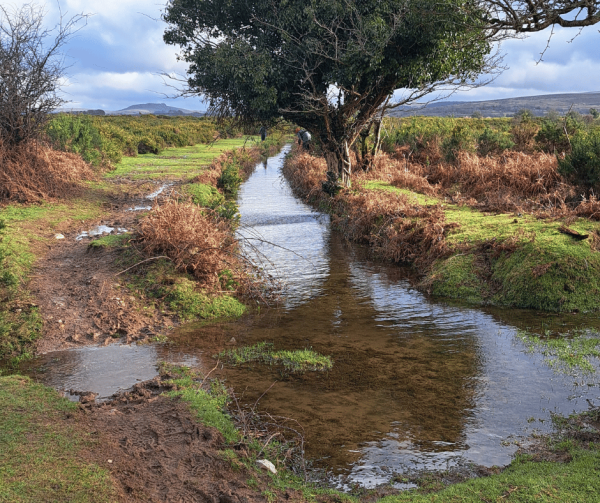
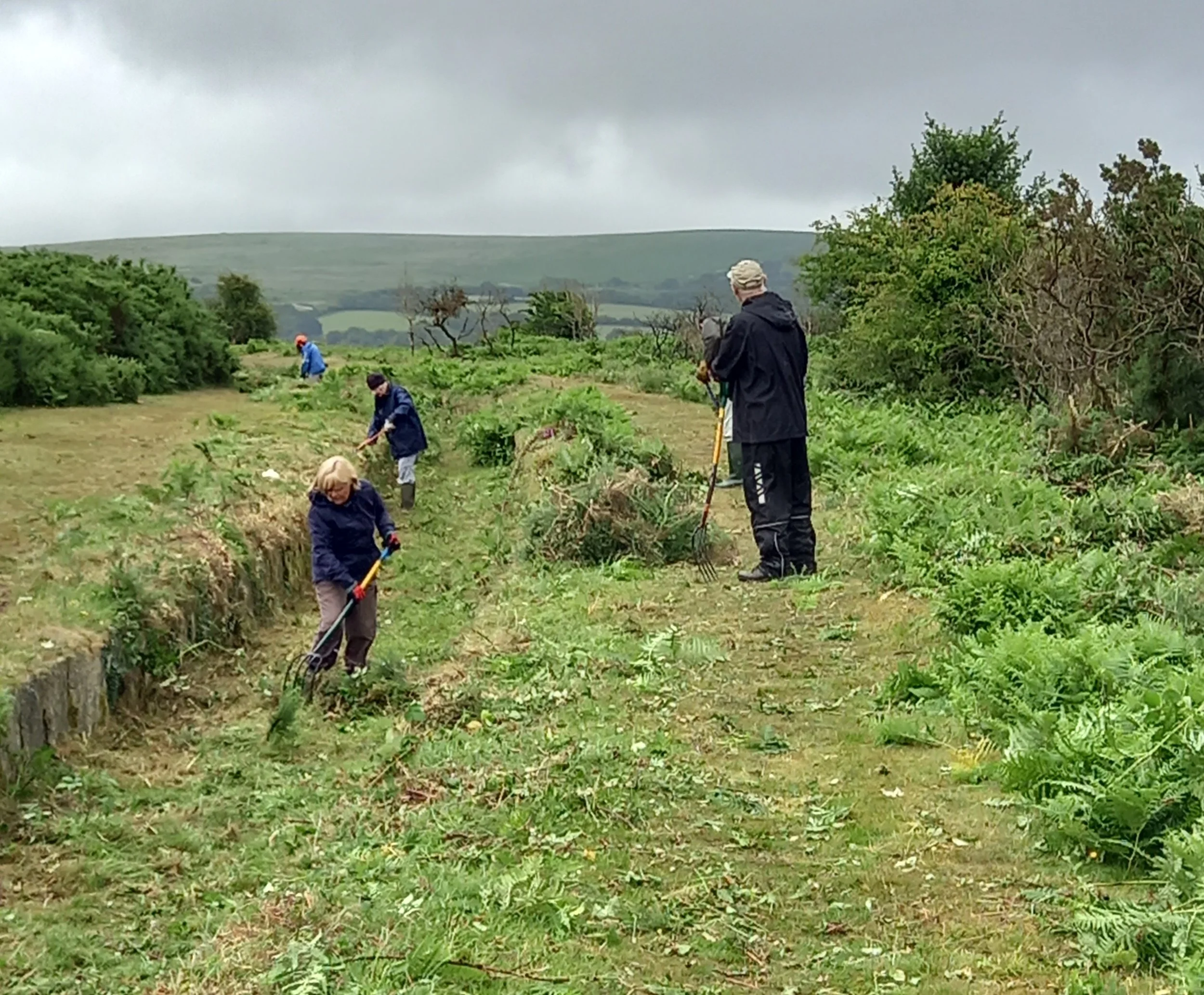

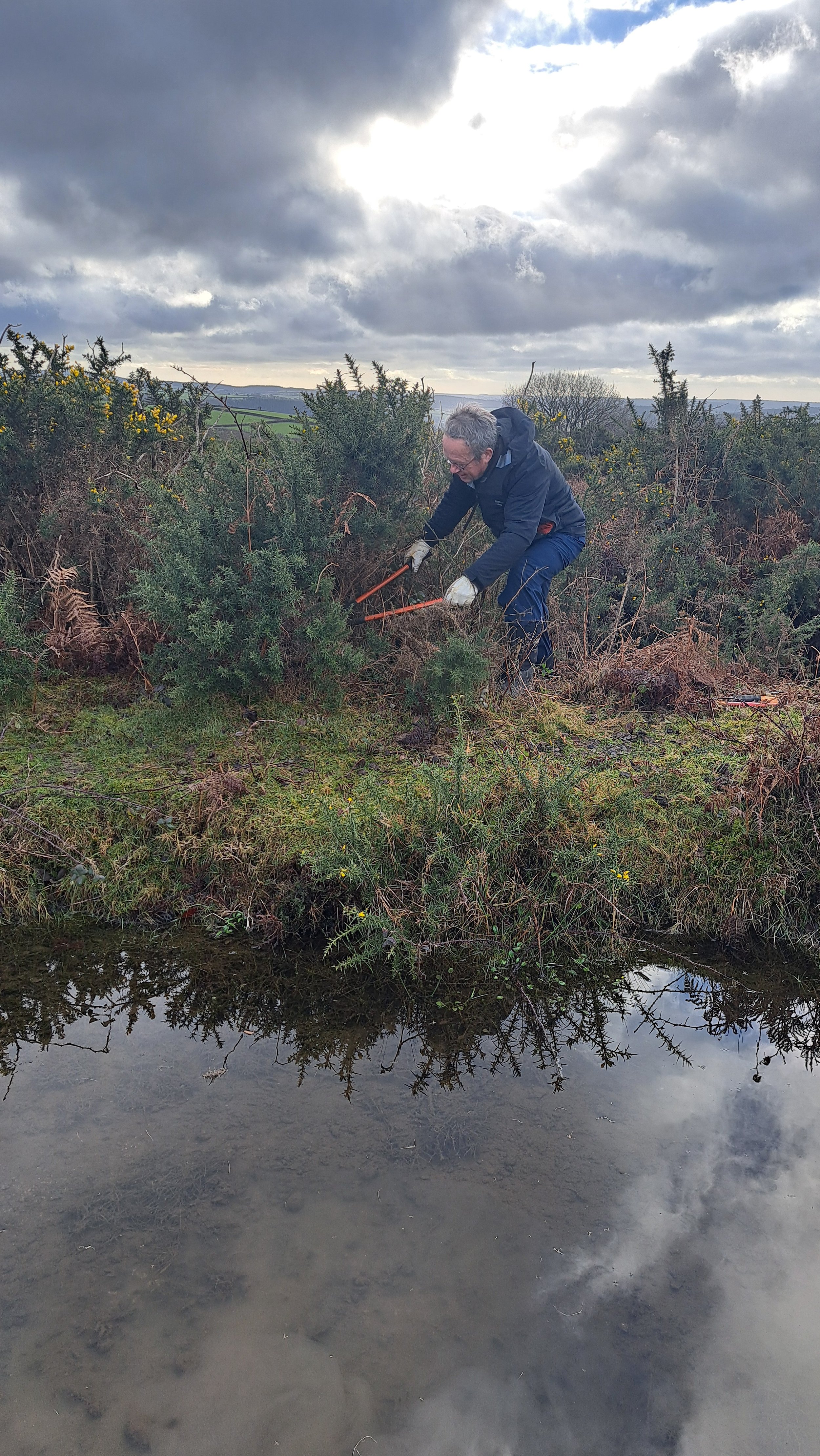
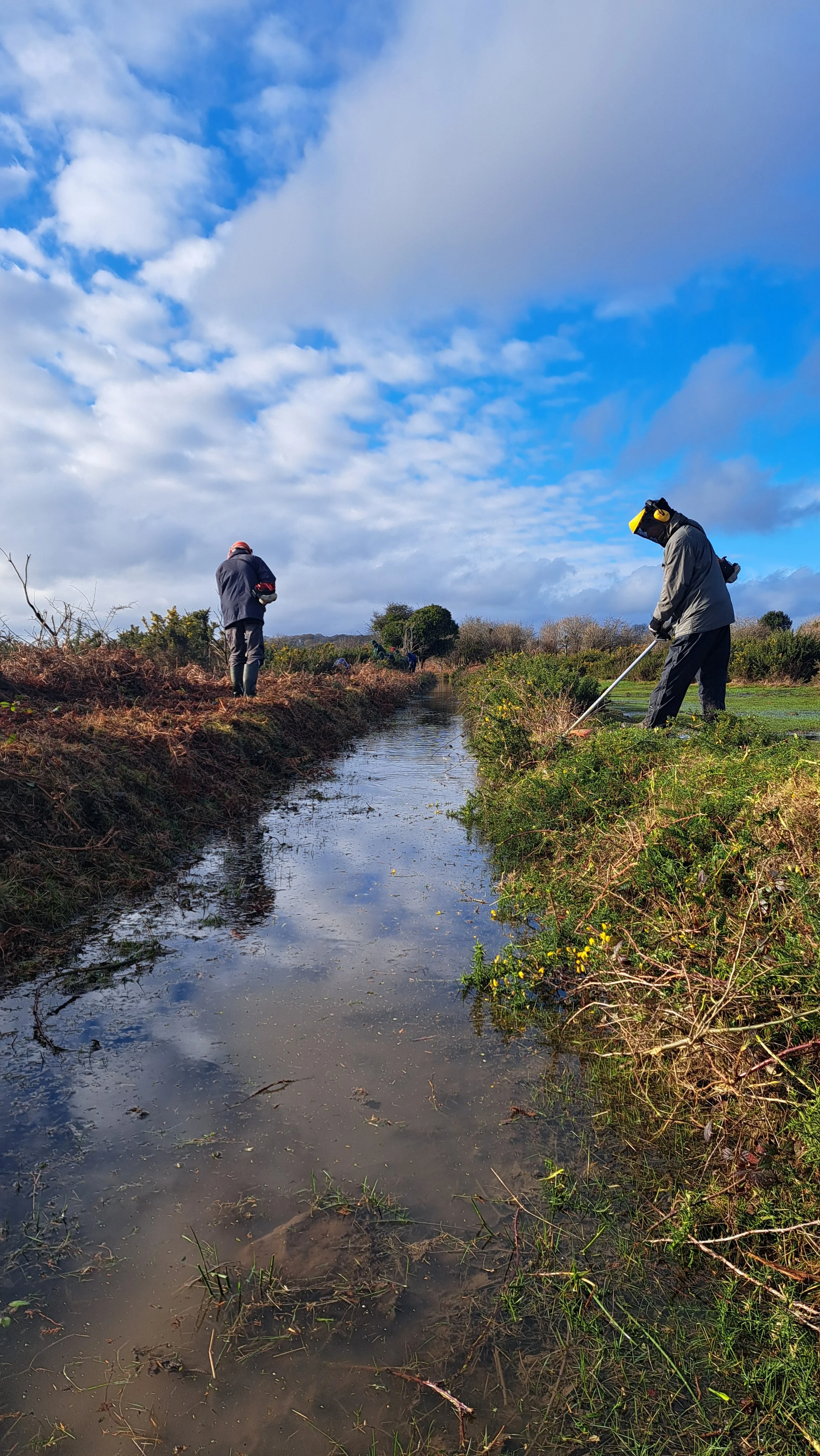
Image credits: Dartmoor Preservation Association and Val Burns
We plan to host a series of events with creativity and curiosity, using broad engagement with wet/peat-based landscapes to explore peoples' relationships with water from the wilds of Dartmoor across the farmed and rural landscape to the city of Plymouth. We will ask those farmers and others managing the land to support the events by talking and walking, showing and sharing key features. We will also be asking those who are responsible for our clean water to tell us how they do it!!
“We are becoming fascinated with peatlands at the top of the moor. We would love to hear more from anyone out there who knows about the history and archaeology of the leats into the city.”
“All our Peat to Pipe events will celebrate the role of water in our cultural heritage, our habitats, and in resilience to climate change. Everyone can learn from each other as they get know about how our land flows...and have some fun along the way.”
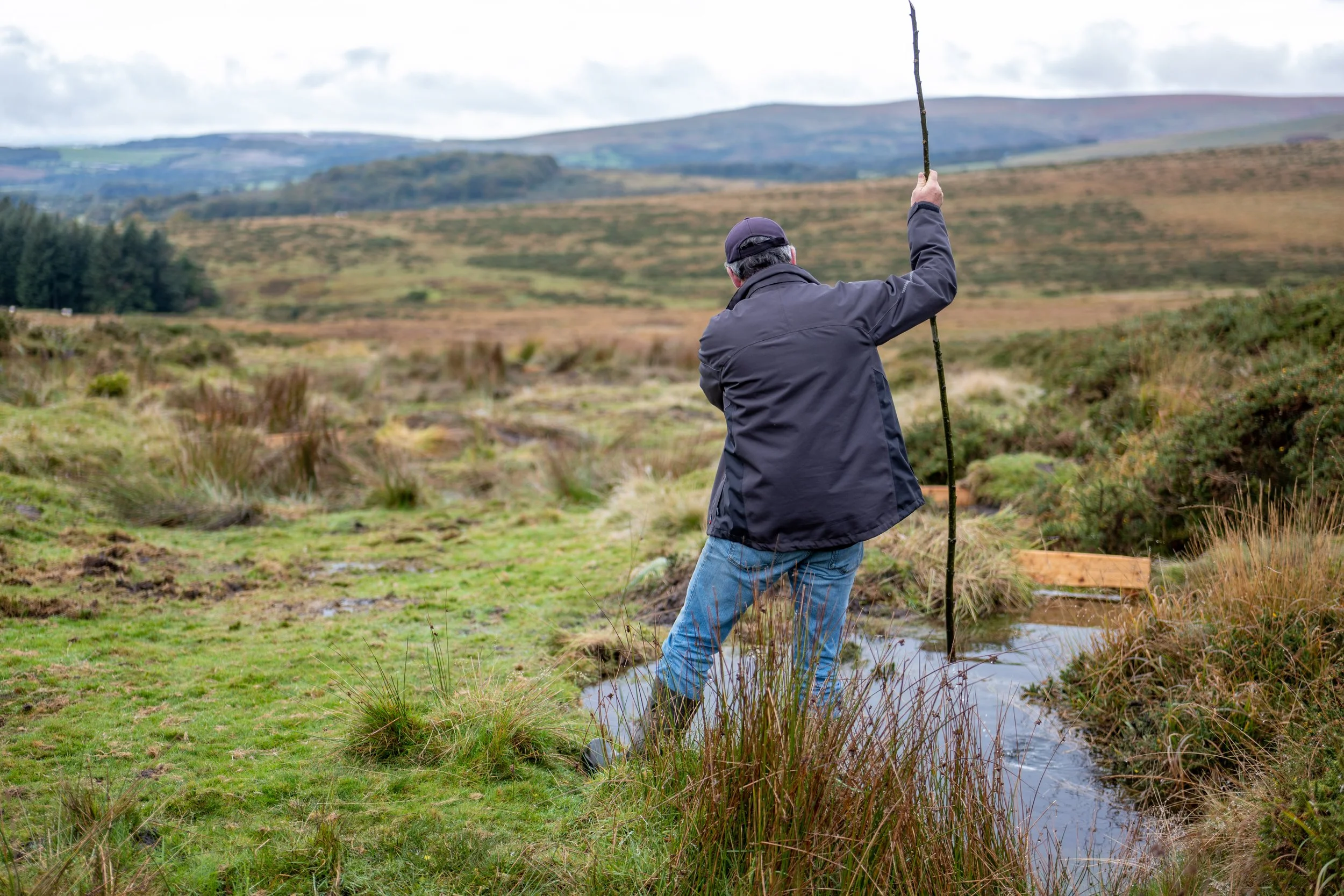


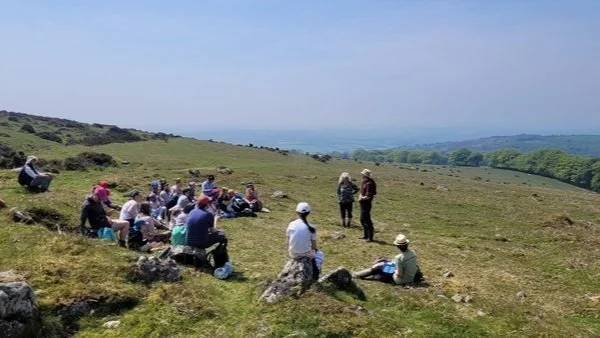
Image credits: Art and Energy
If you know about the history of the flow of water off the moor or are interested in this project, contact: hello@artandenergy.org
Read our full Our Land Flows…from Peat to Pipe press release.