Mapping Dartmoor’s Leats with Drew Campbell
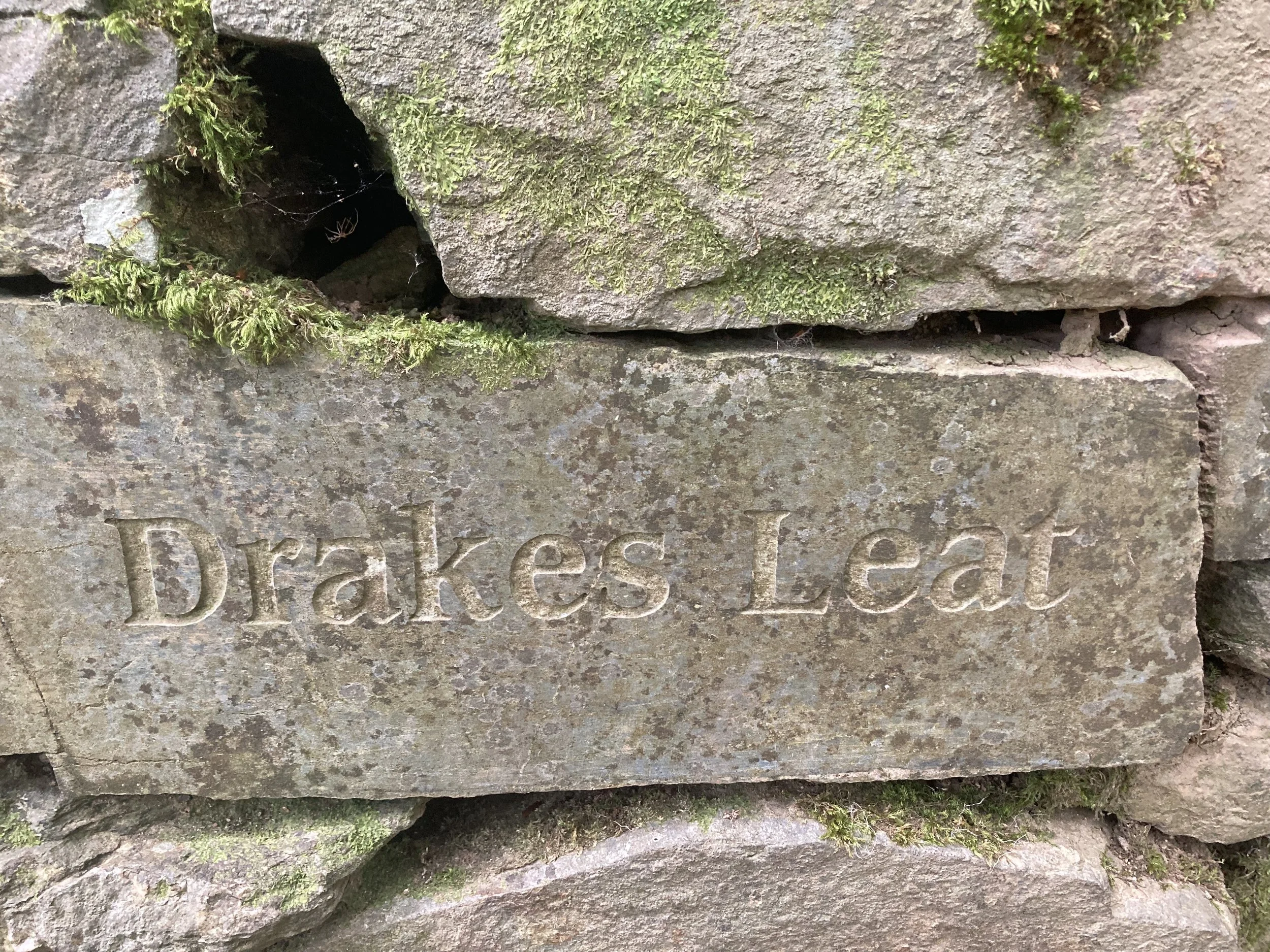
Drake’s Leat carved in stone on Dartmoor
Why I am spending five years (or more) mapping Dartmoor’s leats?
Imagine stepping back in time to a world with no electricity, where people relied on the steady, rushing power of water to get things done. For thousands of years, waterwheels were the beating heart of industry. On Dartmoor, this clever technology powered local metalworking forges and industrial mills. It also helped mine workers pump water from deep shafts while running machinery that was used to process the extracted ore.
Ancient Power Cables
Yet, none of that hard work could happen without a constant supply of water. Rivers fed specially built channels known as leats, which carried water across the landscape to drive massive waterwheels. In a very real sense, these ancient leats were the original power cables. They laid the groundwork for human innovation long before a single spark of electricity flickered to life.
Supplying Towns and Farms
Beyond generating power, Dartmoor’s leats supplied vital water to numerous farms and towns, with Plymouth emerging as the largest consumer. For centuries, two prominent channels—Plymouth Leat (sometimes known as Drake’s Leat) and Devonport Leat—sustained the city's homes and businesses. Opened in 1591, the construction of Plymouth Leat remains controversial today due to the involvement of explorer and slave trader Sir Francis Drake. Later, in 1802, the Devonport Leat was introduced; stretching 27 miles long and drawing from three different rivers, it became the longest leat on Dartmoor.
The Engineering Challenge
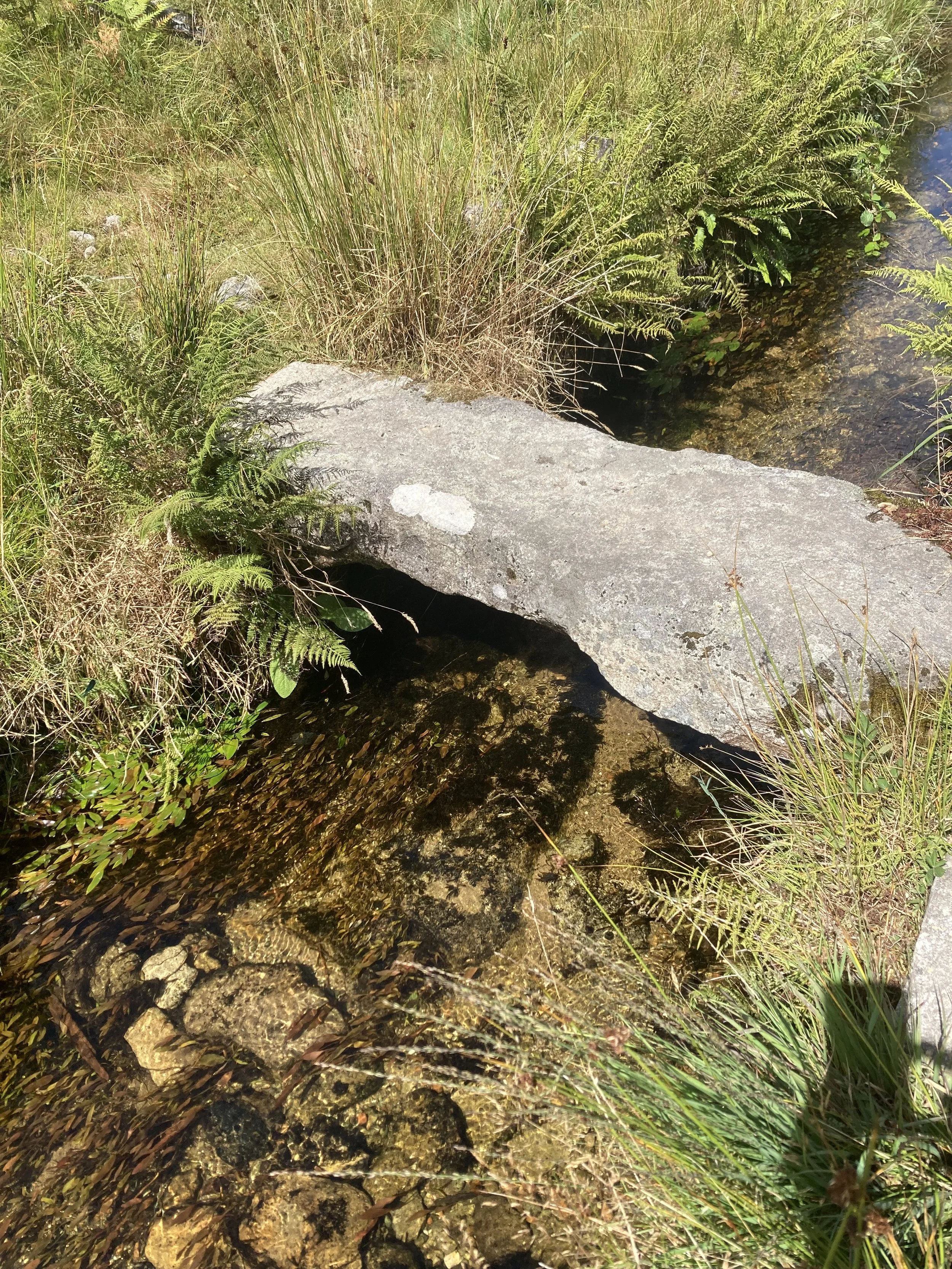
A Dartmoor Leat
Constructing these ‘miniature canals’, which once operated throughout the country, required real expertise. Not only did they have to hold water, but they also had to deliver it precisely to the top of a waterwheel, often after carrying it from a distant river. Other challenges included routing the water along valley sides by banking up one bank, traversing other leats and natural watercourses, and managing the fall of the water so that it travelled at exactly the right velocity. Today, only a small number of leats remain functional. Hundreds, possibly thousands, of miles of these channels are now nothing more than empty ditches—fossilised and dormant in the landscape, like unplugged power cables.
Leat Hunting
I am fortunate to live on the western edge of Dartmoor. Having spent the past 20 years studying the history of water management, I am constantly drawn to these historic linear features. I call this pursuit ‘leat hunting’. Autumn is the optimal season for exploring these waterways as the weather is rarely challenging and the dense blanket of summer bracken has finally receded to reveal the ground below. However, with each passing year, these remarkable feats of water engineering are steadily disappearing. A destructive combination of natural erosion and aggressive overgrowth—predominantly gorse and bracken—is rapidly swallowing Dartmoor's landscape heritage.
The Academic Challenge
This September, I will embark upon my second part-time PhD, where during the next 5 years (or more) I aim to pull together my findings in a thesis titled ‘Contours of Conflict and Co-operation: A Landscape History of Dartmoor’s Leats (1600–present day)’. The catalyst for this study came from a discussion I had with Professor Steve Rippon fourteen years ago, when he casually mentioned that the leats of Dartmoor needed more research. While Steve has kindly helped me formulate a research plan, unfortunately, he retires just as I begin my research at the University of Exeter. However, I am sure his replacement will help me to pull together the numerous sources to tell this fascinating story of watery endeavour.
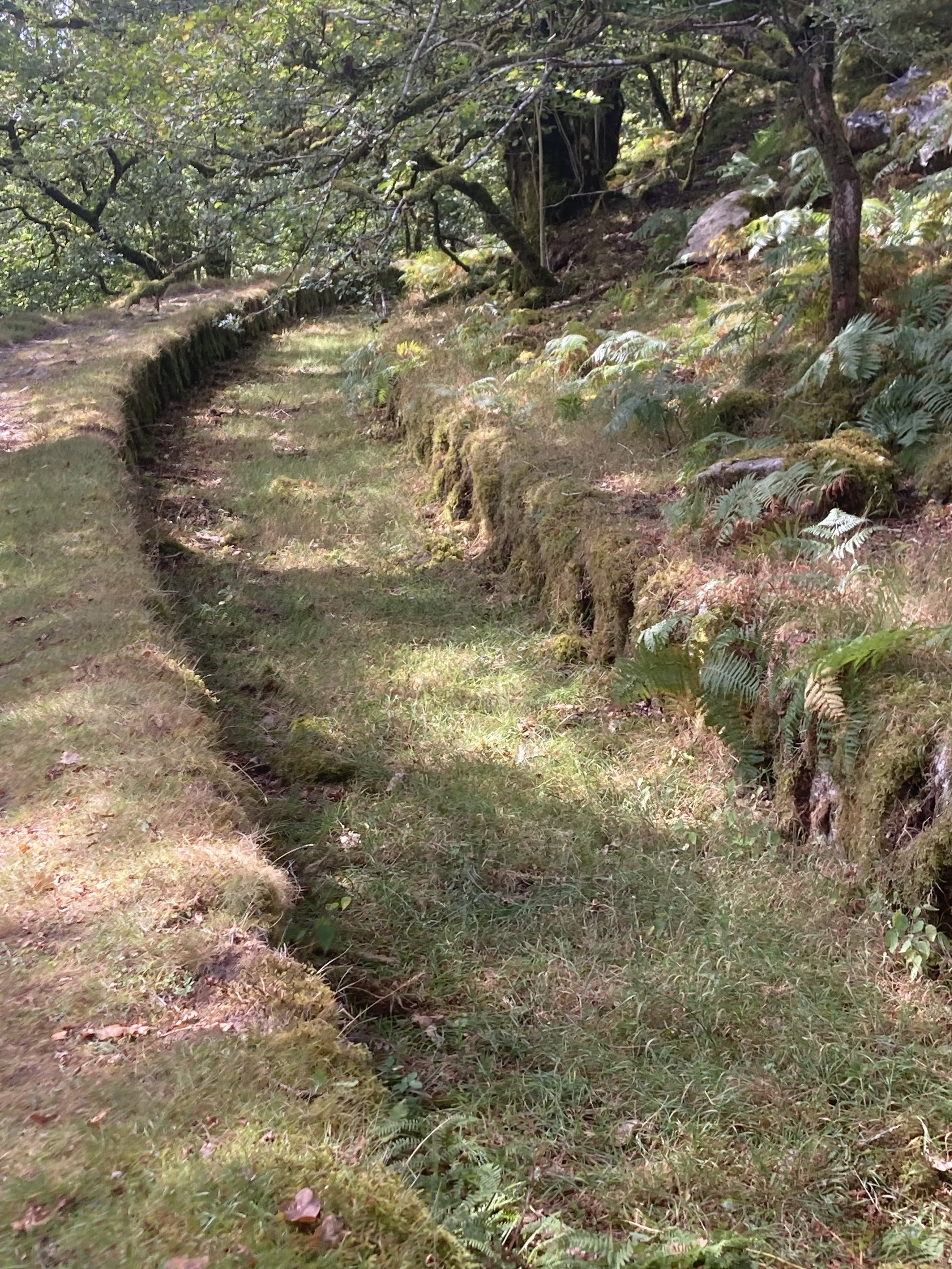
A Dartmoor Leat
The Public
As part of my research, I will be asking members of the public for their thoughts on this aspect of our heritage. These leats required constant maintenance, and I am eager to uncover more about the individuals employed to keep the watercourses flowing, unobstructed, and free of pollution. If your family history holds memories of the people who tended these watery lifelines, or if you know of a forgotten channel hidden in the bracken, I would love to hear from you. As I begin this new academic chapter this September, every shared story helps piece together the human effort behind Dartmoor’s original power grid.
Please leave a comment below or get in touch, and let’s map this remarkable history together before it fades into the landscape for good.